
Forging pathways to decarbonize our built environment
From ideation to construction and operation.
Real-world solutions, applied at scale.
Climate change demands action.
Act urgently, but plan strategically
We take our research out of the lab into the real world. Our goal is to drive rapid and sustainable change in the architecture, engineering, and construction ecosystem to address the detrimental effects of our built environment on the planet.
We partner with actors from multiple sectors of society to test and implement our ideas at the ground level — where they can have real and immediate impact.
The Reconstruct Initiative serves as the hub of our research activity and is a national leader in the development of panelized Deep Energy Retrofits (DERs).

Our current focus: upgrading the existing building stock.
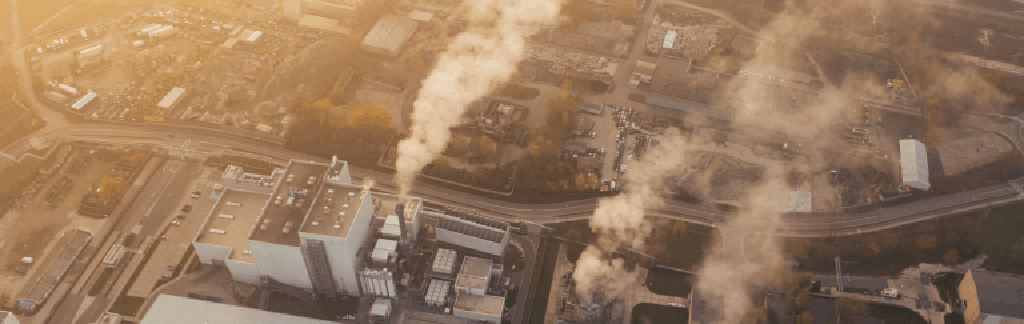
80% of buildings that will be standing in Canada in 2050 already exist. Rapid Mass DER deployment is critical to meet net-zero emissions targets by then.
Deep energy retrofits substantially reduce building energy consumption demand (50%-80%+) and greenhouse gas emissions by upgrading insulation, airtightness and mechanical systems all while avoiding landfill and land use emissions. Simply put, the most sustainable building is the one already built.
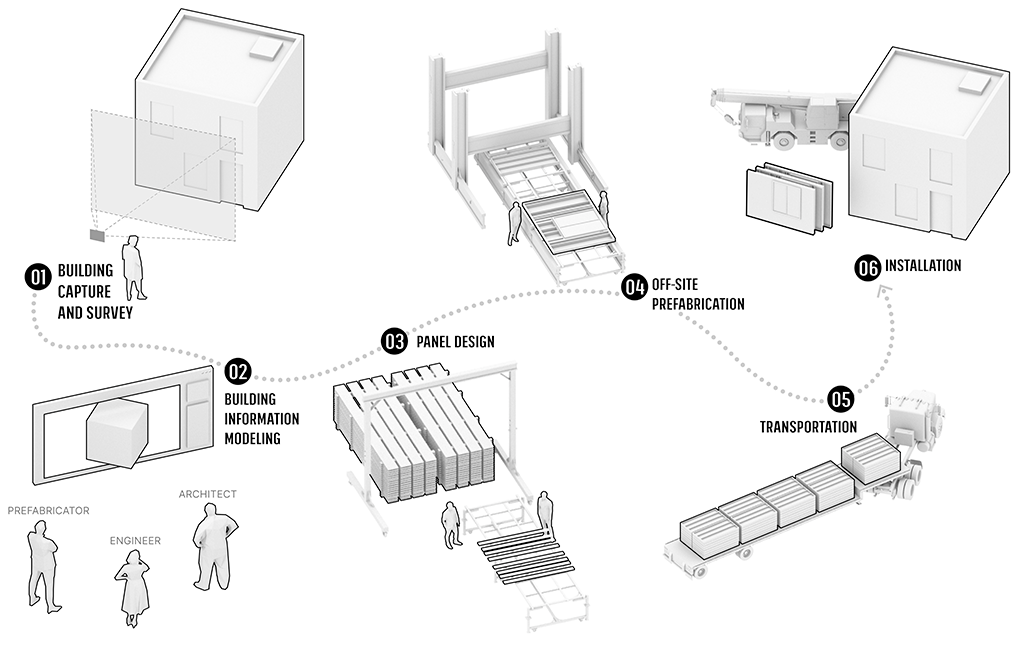
Our approach to DER is referred to as “over-cladding” and includes wrapping candidate buildings with insulated, panels and replacing their ventilation and mechanical systems with smaller, ultra-high efficiency ones. Prefabricating these components off-site unlocks this process and is one of the Chair's principal research streams.


Discover Our Collaborators








- Arrondissement de l’Île-Bizard—Sainte-Geneviève
- Société d’habitation du Québec
- Building decarbonization alliance
- Pembina institute
- Québec BVI – Bâtiment vert et intelligent
- ReCover Initiative
- Retrofit Canada
- The Atmospheric Fund (TAF)
- Transition Accelerator
- Zero Emissions Innovation Centre
- If Then Architecture Inc.
- Minotair Inc.
- RG Solutions